
This site contains affiliate links. View the disclosure for more information.
Mental health at work has moved from the sidelines to center stage. Ask any HR professional, benefits manager, or small business owner today, and they’ll tell you the same thing: employee mental health benefits aren’t just nice-to-have perks anymore. They’re essential tools for building teams that stay, perform, and thrive.
The question has shifted from “Should we offer support?” to “How do we make it accessible, engaging, and actually useful?” That’s where digital mental health solutions for employees come in—along with AI mental health tools and wellness apps for the workplace that people want to use, not just apps that check a box.
What Employees Actually Want
Nobody wants to call an old-school EAP hotline during their lunch break. What employees need today is straightforward: quick access to therapy, flexible digital tools, and employee mental health benefits that fit into real, busy lives. Recent data shows nearly 45% of employees feel more stressed than they did five years ago, with Gen Z and Millennials ranking workplace mental health as a top concern.
But barriers still exist. Confusing benefit portals, long wait times, unclear coverage, and simply not knowing where to start keep people from getting help. Add cost concerns, stigma, or fear of judgment, and many give up before they even try.
The solution? Make mental health support easy, confidential, and genuinely helpful.
Digital Solutions That Actually Work

Virtual Therapy on Your Schedule
Traditional face-to-face therapy works wonderfully when it fits your schedule. Virtual mental health support changes the game by adapting to your life instead of the other way around. Video sessions, secure chat, or phone calls mean no more months-long waits, no commute anxiety, and no worrying about being seen in a waiting room. Companies from Amazon to hundreds of startups now offer multiple pathways to online mental health support, letting employees choose whatever feels safest and most accessible.
AI Coaching and Instant Support
Think of AI mental health tools as having a supportive coach available 24/7. Need a midday mood boost, a quick stress check, or a guided breathing session? Apps like Meditopia and Headspace deliver these moments without requiring an appointment. These AI tools offer genuinely supportive check-ins and practical advice, creating space to reflect or simply pause before the next big task.
Wellness That Feels Rewarding
Not every aspect of employee well-being programs needs to feel heavy or clinical. Gamified wellness apps for the workplace turn self-care into something people actually want to do together. Mental Health Mondays, team mindfulness streaks, or monthly digital wellness challenges create connection while supporting mental health. When you reward employees for completing gratitude challenges, tracking sleep, or sharing positive messages, you’re building culture one small moment at a time.
Smart Reminders That Help
Everyone forgets to take breaks. Well-designed wellness apps send gentle, thoughtful reminders to stretch, breathe, hydrate, and check in emotionally. These nudges make self-care automatic rather than another task on your to-do list. When you build these into your benefits program, you’re nudging an entire company culture forward.
Real Results from Real Companies
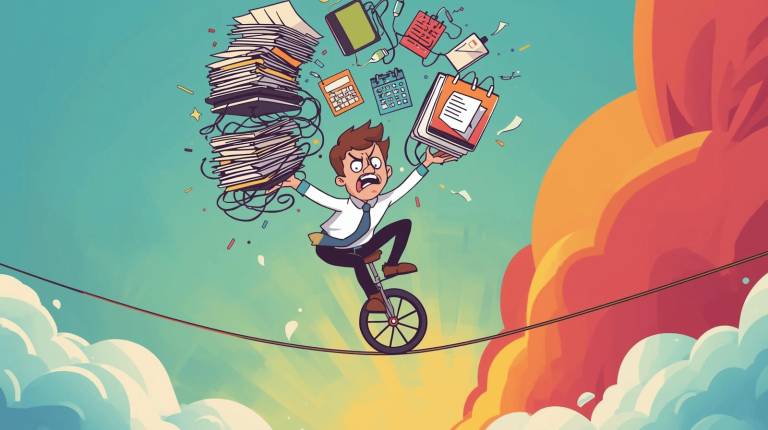
Take Jamie, an HR leader at a mid-sized company. Her team was exhausted. Burnout, stress, and turnover felt like a revolving door. She launched a digital-first mental health program, piloting an AI-powered coaching app alongside a team-wide meditation challenge.
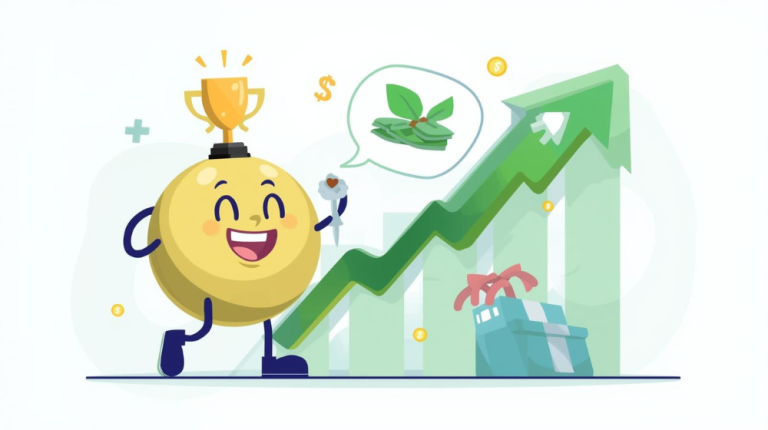
Engagement soared. Participation jumped from under 5% with their old EAP to over 30% within six months. Morale climbed, feedback was glowing, and even the CEO joined a week of guided meditation without calling it “fluffy.”
Breaking Down the Barriers
A comprehensive study found that 36% of employees can’t access their mental health benefits at all. The culprits? High costs, provider shortages, confusing portals, and lingering uncertainty about whether they’re “allowed” to use benefits.
The fixes are simpler than you’d think:
Offer clear, simple instructions instead of lengthy PDFs. Use one centralized platform with a mobile app. Train leaders to talk about benefits positively and naturally. Highlight privacy protections so employees know their usage stays confidential.
When you remove friction, people actually use what you’re offering.

Small Business Mental Health Strategies That Work
You don’t need a massive budget for world-class mental health perks. Many digital mental health solutions for employees cost less than your monthly snack budget while delivering enormous impact.
Start here:
Choose one or two digital tools and try free trials first. Run a pilot with a small group for honest feedback. Celebrate early wins with a simple shoutout when you hit your first 50 signups. That energy can transform your workplace overnight.
One local retail chain reported 40% lower turnover among employees who regularly used their wellness apps for the workplace, proving the right investment pays off quickly for both people and business. The SHRM Advanced Guide to Mental Health Benefits offers step-by-step advice tailored specifically for small businesses.
Supporting Every Worker
Traditional benefits often miss the employees who don’t sit at desks all day. Forward-thinking companies in 2025 extend employee mental health benefits to everyone: part-timers, frontline staff, shift workers, and anyone on their feet.
Use mobile-first, text-accessible apps. Provide content in multiple languages. Ensure support is available outside typical business hours. This approach improves retention, promotes equity, and sends a clear message that every worker matters.
When Basic Support Isn’t Enough
Employees facing major life challenges—chronic illness, caregiving responsibilities, or high-stress roles—need more than basic EAPs. The best virtual mental health support programs now provide specialist access to psychiatrists and clinical therapists, integrated care for overlapping health and mental health needs, and coordination for sandwich generation caregivers managing both children and aging parents.
Small and midsize businesses are getting creative by integrating digital health with financial wellness, family support, and community engagement resources. This comprehensive approach serves everyone, not just those with straightforward needs.

The Numbers Tell the Story
Companies with high engagement in digital mental health see up to 10x higher retention rates among users compared to non-users. Average engagement rates for proactive digital platforms reach 20-30% in the first six months, compared to under 3% for traditional EAPs.
Four in five HR leaders plan to increase investment in employee well-being programs and digital benefits in 2025. A recent survey found 73% of companies are ready to shift budget toward measurement-based, outcome-driven mental health solutions that deliver real results, not just checked boxes.
How to Launch Successfully
Start with a quick employee survey. Ask what support people actually want rather than assuming. Pick a platform that’s genuinely simple—your goal is friction-free access. Run a one to two month pilot, collect honest feedback, and don’t be afraid to adjust or switch tools based on what you learn.
Communicate with authenticity. Celebrate sign-ups and small victories. Share genuine stories instead of dry HR bulletins. Empower your leadership team by getting managers involved, trained, and championing benefits from the top.
Consider announcing new digital perks during a Wellness Week kickoff. Bonus points if you add snacks and a raffle.
What to Avoid
Don’t overwhelm people with mountains of PDFs or multiple confusing logins. Don’t limit perks to full-time employees—your part-time and contract workforce needs support too. Don’t treat this as a one-time launch and forget about it. Update and refresh your offerings regularly, thinking quarterly rather than yearly.
Building a Mental Health Culture
Digital tools are powerful, but the real transformation happens when you connect them to your culture. Leaders need to openly talk about and use employee mental health benefits themselves. Teams should normalize checking in with each other. Frequent communication, visible endorsements, and a bit of fun bring your program to life.
What’s Trending in 2025
Right now, you’ll see a surge in centralized digital benefits platforms rather than scattered resource lists. Hybrid models combine AI mental health tools for early intervention with human therapists for follow-up care. Programs are increasingly tailored for acute needs and for sandwich generation employees balancing childcare and elder care.
HR teams finally have real-time dashboards that measure results that matter—actual outcomes and wellbeing improvements, not just clicks or enrollments.
Common Questions

Isn’t this too complicated for a small or mid-sized team?
Not at all. Start small, stay flexible, and build up. Keep what works, drop what doesn’t.
Will employees actually use digital mental health benefits?
If you make them easy, confidential, and engaging, absolutely. The data backs this up.
What about deskless or hybrid workers?
Modern tools are built with them in mind. Choose mobile-first platforms and ask your team what works best.
How soon will we see results?
Engagement and morale can improve almost immediately. Track retention, absence rates, and feedback over 6-12 months for the complete picture.
The Bottom Line
Employee mental health benefits in 2025 are digital, flexible, and built for real people—no more one-size-fits-all approaches. Start with the basics, focus on genuine human connection, and build your program to grow alongside your team’s needs.
Ready to get started? Reach out for a vetted list of AI tools, wellness apps for the workplace, and best practices specifically for small business success.
This site contains affiliate links. View the disclosure for more information.